During periods of campus reconstruction, the temporary relocation of schools significantly impacts students’ experience and parental involvement. The limitations of temporary campuses reduce students’ activity spaces and restrict day-to-day communication between parents and schools. These changes pose challenges to both student development and the parent-school relationship. Understanding how these dynamics unfold and finding solutions to maintain educational integrity are crucial during such transitional periods.
How Campus Reconstruction Impacts Elementary School Students
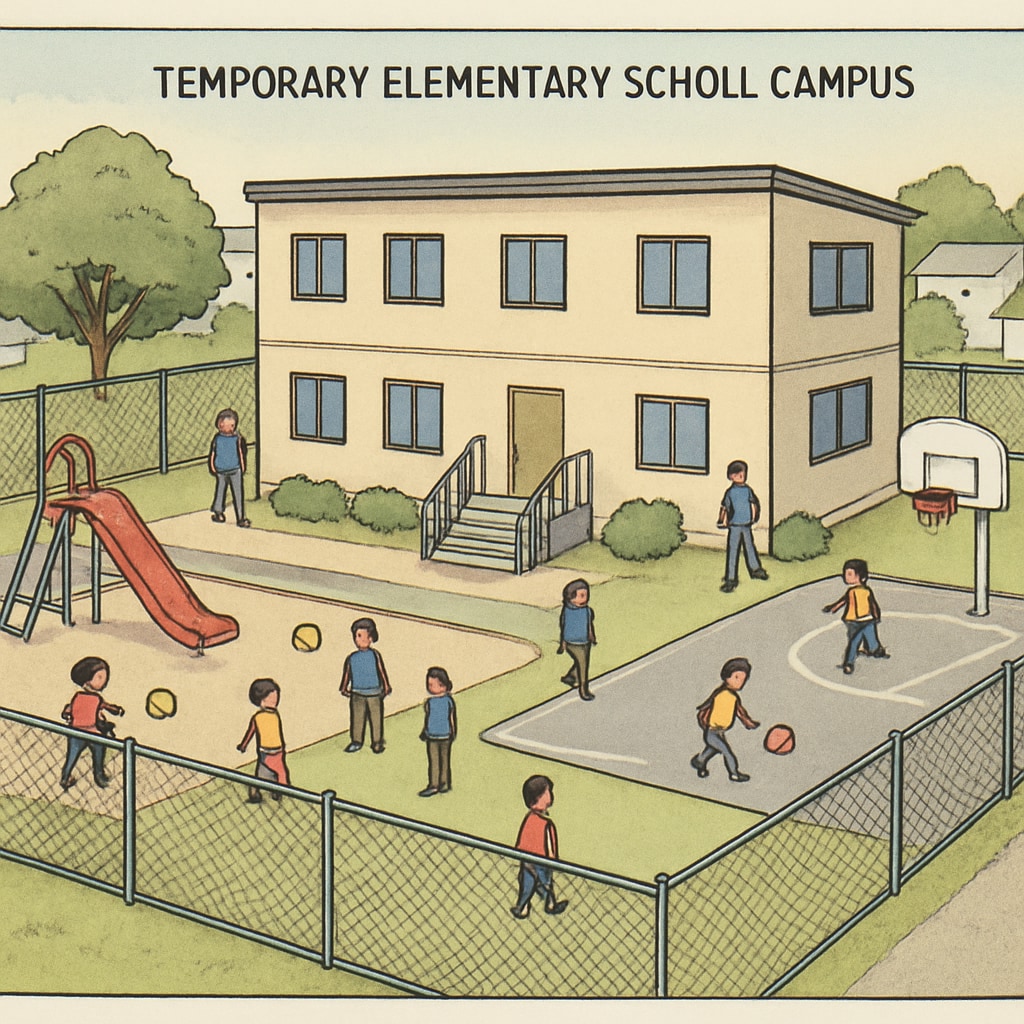
For elementary school students, the campus environment plays a vital role in shaping their educational experiences. Temporary campuses, often smaller and less equipped, limit opportunities for physical activities, creative projects, and social interactions. For example, playgrounds and sports facilities may be unavailable, reducing access to essential physical education.
Furthermore, the sense of belonging that students typically feel in their familiar school environment may diminish. The unfamiliar and often cramped conditions can contribute to feelings of stress or discomfort, potentially affecting both academic performance and emotional well-being.
Parental Engagement: A Disconnect During Reconstruction
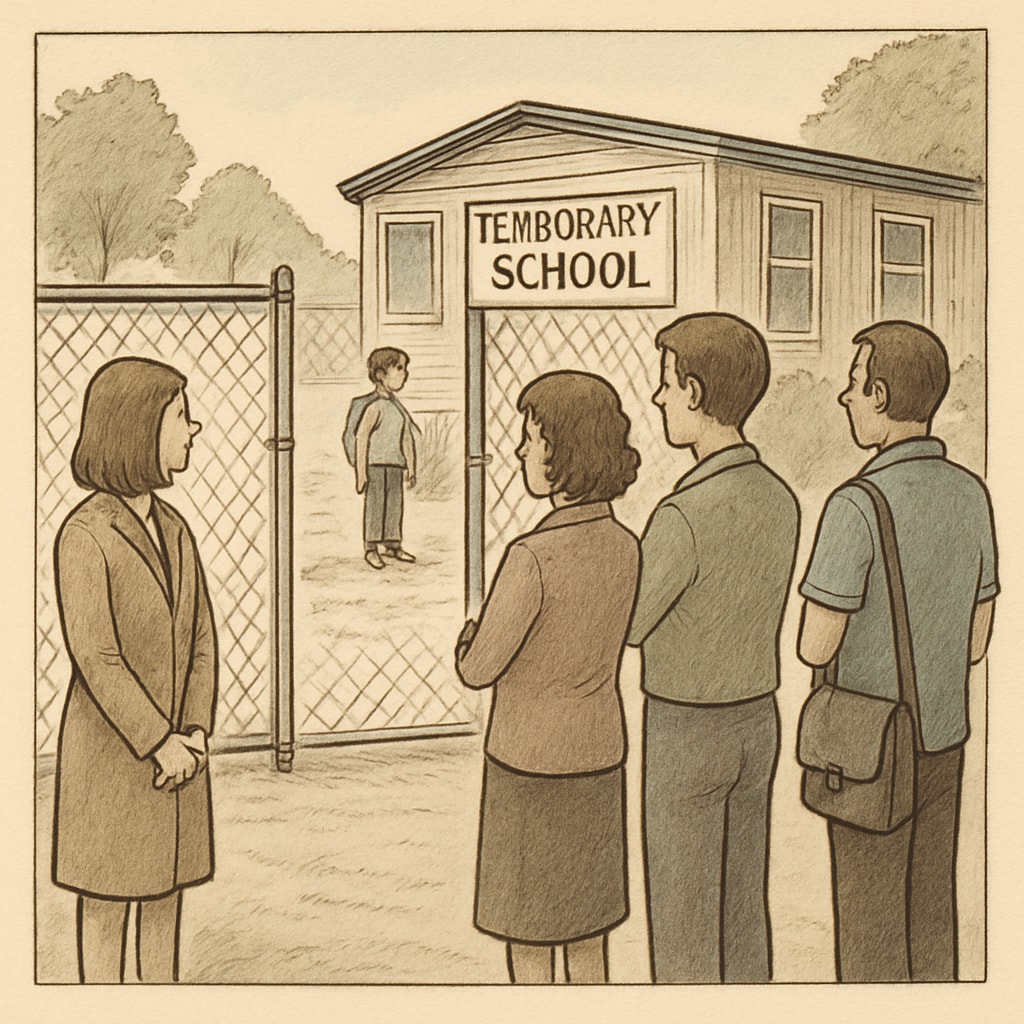
Parental involvement is a cornerstone of successful education, especially at the elementary level. However, during campus reconstruction, schools often adopt “closed-door” policies to manage safety and logistical concerns. While such measures are practical, they hinder parents’ ability to engage with teachers, participate in school events, or even observe their children’s progress.
Without regular communication, parents may feel disconnected from their children’s school life. This lack of engagement can lead to misunderstandings about academic expectations or behavioral concerns, further widening the gap between home and school.
Preserving Education Quality During Transitional Periods
Despite the challenges of campus reconstruction, there are strategies schools can adopt to minimize its impact on students and parents:
Schools should implement robust digital platforms for parent-teacher communication, ensuring updates, feedback, and resources are easily accessible. Creative use of temporary spaces—such as converting unused areas into activity zones—can provide students with better learning environments. Inviting parents to participate in virtual events or reconstruction updates can foster a sense of collaboration and transparency.
By proactively addressing these issues, schools can ensure that the temporary disruption does not compromise educational outcomes or the parent-school relationship.
Readability guidance: Use short paragraphs and lists to summarize key points. Ensure smooth transitions with phrases like “for example,” “in addition,” and “as a result.” Maintain an active voice where possible and limit passive constructions.