


Recent cross-national data has shed light on a pressing issue in K12 education: student boredom. This global phenomenon affects learners across countries, cultures, and education systems. The findings from “student boredom, education research, and cross-national data” reveal significant insights into why students feel disengaged in classrooms, the potential effects on their academic and personal development, and the steps educators can take to foster more stimulating learning environments.
Understanding the Roots of Student Boredom
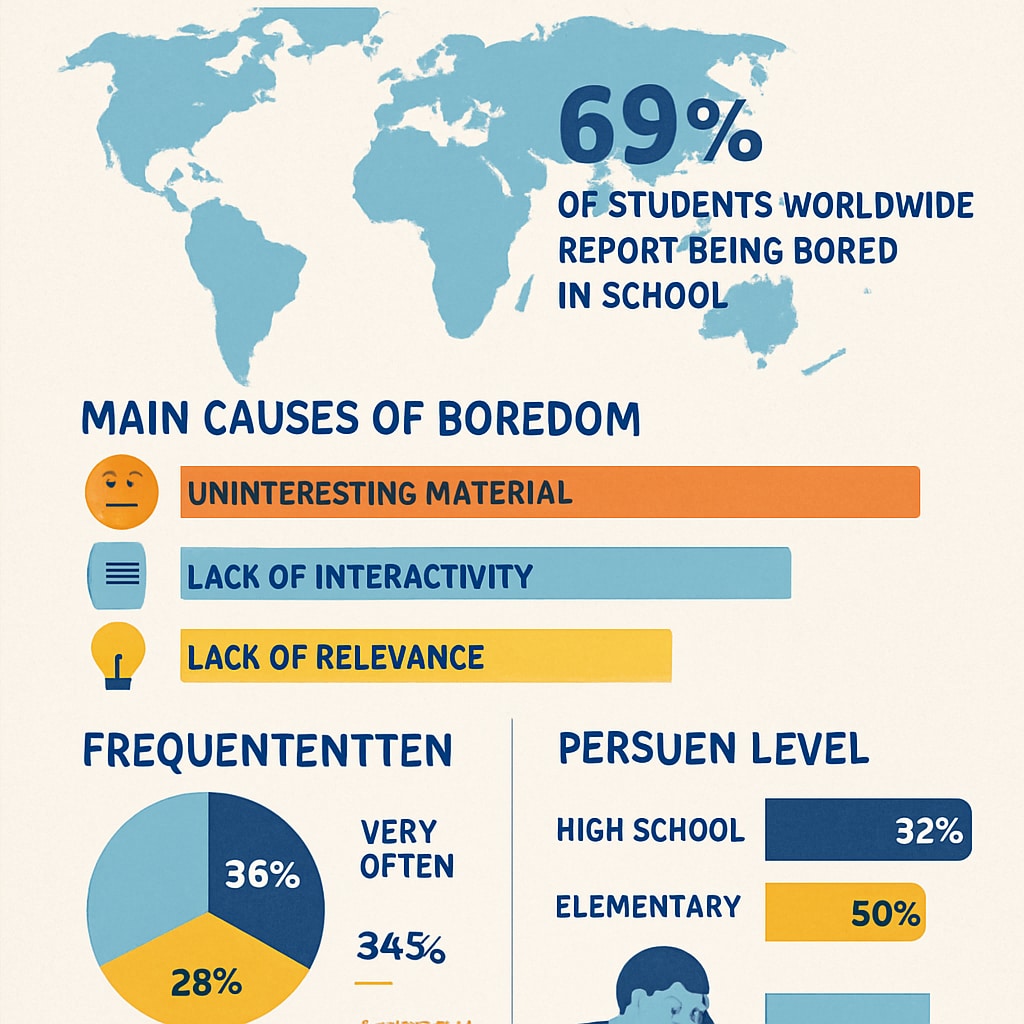
Student boredom is not a new concept, but its prevalence has reached concerning levels globally. According to a study conducted by the OECD (Organization for Economic Co-operation and Development), over 50% of students in developed nations report feeling bored in most of their classes. But what causes this widespread disinterest?
- Traditional Teaching Methods: Many classrooms still rely on lecture-based instruction, which can feel monotonous and unengaging for students.
- Lack of Relevance: Students often struggle to connect the curriculum to real-world applications, leading to a sense of disconnection.
- Overemphasis on Standardized Testing: A focus on test preparation can stifle creativity and limit opportunities for exploratory learning.
For example, in countries like the United States and Japan, where standardized testing dominates educational priorities, students report higher levels of boredom compared to nations with more flexible curricula. This suggests that the structure of education systems plays a critical role in shaping students’ experiences.
The Impact of Boredom on Learning and Development
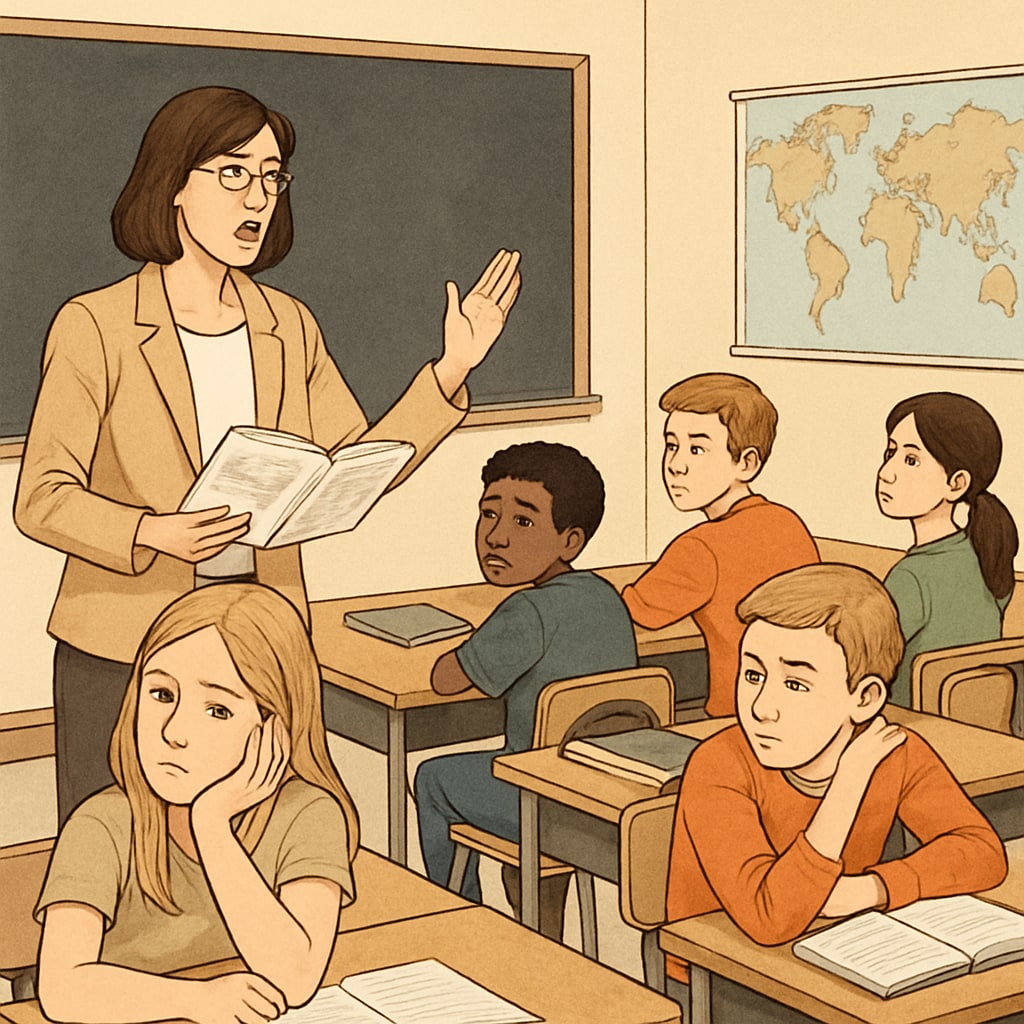
Boredom in the classroom has far-reaching consequences. Academic performance is the most immediate casualty, as disengaged students are less likely to retain information or participate actively in lessons. However, the effects extend beyond academics:
- Decreased Motivation: Persistent boredom can erode students’ intrinsic motivation to learn.
- Behavioral Issues: Disengaged students are more likely to exhibit disruptive behavior, further affecting classroom dynamics.
- Mental Health Concerns: Chronic boredom may contribute to feelings of frustration, anxiety, or even depression among students.
As highlighted in a report by the World Bank, education systems that fail to address student boredom risk creating a cycle of disengagement that undermines both individual potential and broader societal progress. Addressing this issue requires a targeted approach that considers the diverse needs of learners.
Strategies for Creating More Engaging Classrooms
While the challenge of student boredom is significant, it is not insurmountable. Educators and policymakers can implement several strategies to cultivate more engaging learning environments:
- Adopt Active Learning Techniques: Methods like project-based learning, group discussions, and hands-on activities can make lessons more interactive and appealing.
- Incorporate Technology: Digital tools such as gamified learning platforms and virtual simulations can capture students’ attention and enhance their understanding of complex concepts.
- Personalize Learning: Tailoring instruction to individual student interests and strengths can foster a deeper connection to the material.
- Foster Real-World Connections: Integrating real-life applications into lessons helps students see the value of their education.
For instance, Finland’s education system emphasizes student autonomy and experiential learning, leading to lower reported levels of boredom and higher overall satisfaction. By adopting similar approaches, other countries can also create classrooms that inspire curiosity and engagement.
In addition, collaboration between educators, parents, and students is essential to ensure that reforms address the root causes of boredom effectively. Open communication channels can help stakeholders identify specific challenges and co-develop solutions tailored to their unique contexts.
Final Thoughts: Addressing classroom boredom requires a fundamental shift in how education is designed and delivered. By prioritizing student engagement and fostering a love of learning, educators can unlock the full potential of every student, ensuring they thrive academically and beyond.
For further reading on education strategies, visit OECD Education Resources or World Bank Education Insights.

