


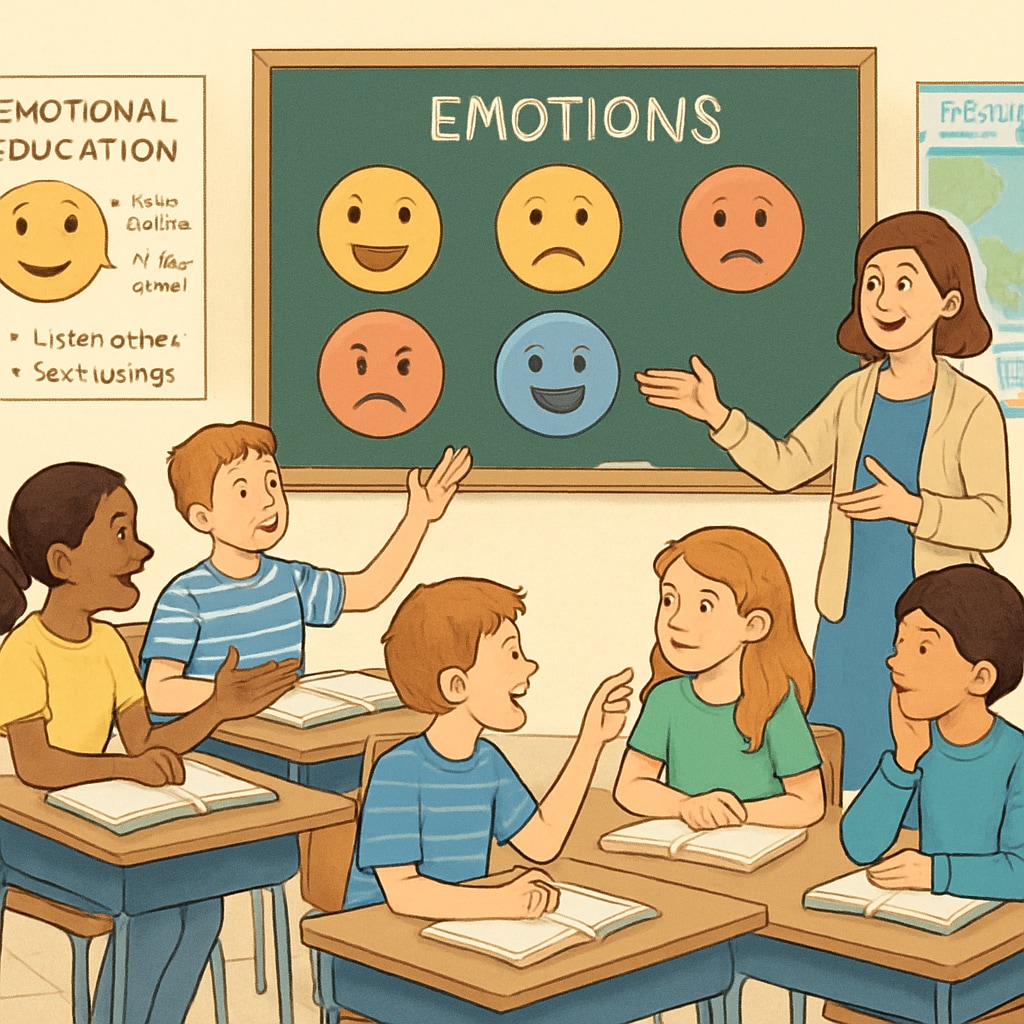
In the modern K-12 education system, there is a strong emphasis on academic performance. However, emotional education, a crucial component of children’s development and emotional control, is often sidelined. Emotional intelligence—the ability to understand, manage, and express emotions effectively—is not just a soft skill but a cornerstone of lifelong success. Despite its importance, emotional education remains underrepresented in schools, leaving many children ill-equipped to navigate the complexities of their emotions.
Why Emotional Education Matters in Child Development
Emotional education plays a foundational role in child development. It helps children build self-awareness, manage stress, and develop empathy—skills that are essential not only in personal relationships but also in academic and professional settings. According to research from the Britannica, children with high emotional intelligence are more likely to succeed academically, resolve conflicts peacefully, and exhibit resilience in the face of challenges.
Furthermore, emotional education fosters a growth mindset. Children learn to view failures as opportunities to grow, rather than as definitive setbacks. This perspective can significantly reduce anxiety and improve overall mental well-being.
The Current State of Emotional Education in K-12 Schools
Despite its importance, emotional education is not a standard part of the K-12 curriculum in many countries. Schools often prioritize subjects like mathematics, science, and language arts, leaving little room for social-emotional learning (SEL). A 2022 study found that less than 20% of schools in the United States have comprehensive SEL programs integrated into their curricula.
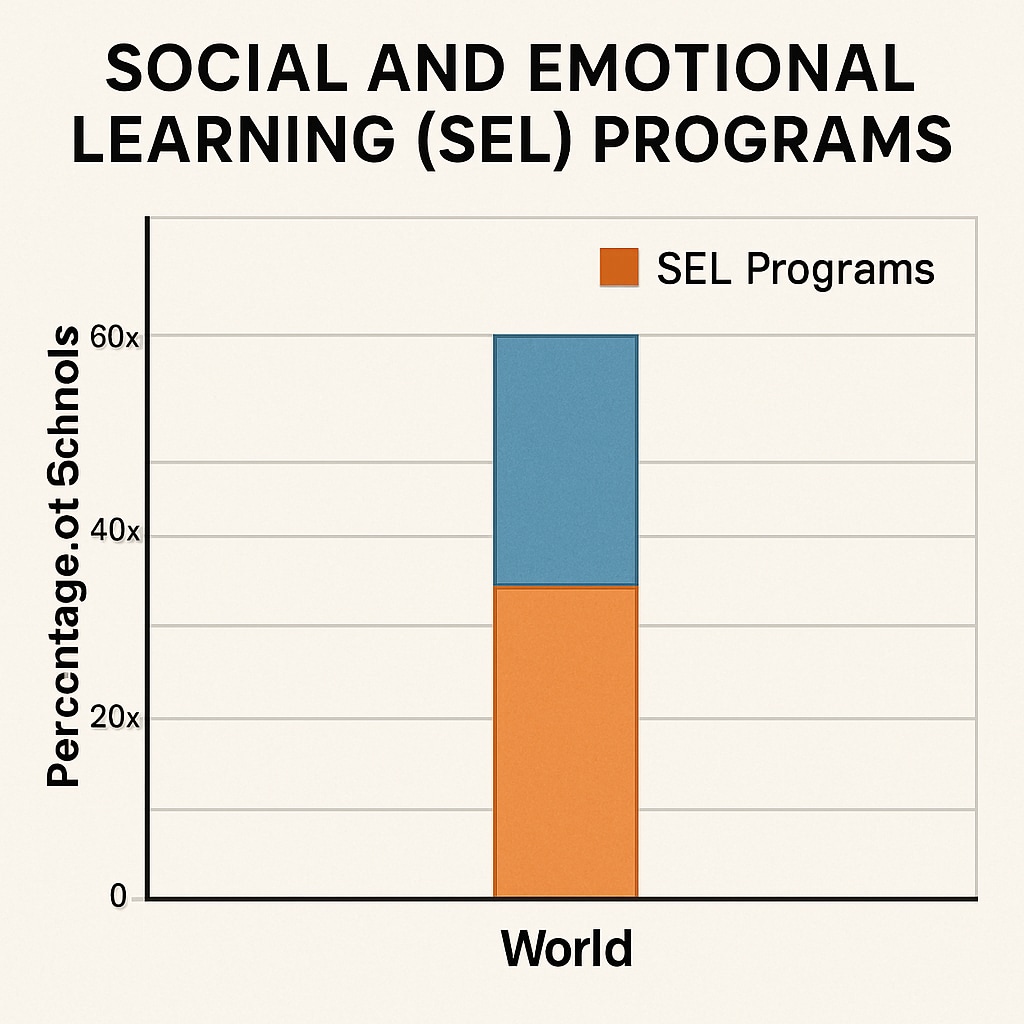
This gap in the education system has real-world consequences. For example, without proper emotional education, children may struggle with emotional regulation, leading to increased instances of bullying, anxiety, and even depression. Moreover, the lack of formal training for teachers in emotional education exacerbates the problem, as educators are often ill-prepared to address the emotional needs of their students.
How Schools, Families, and Communities Can Collaborate
To address these gaps, collaboration between schools, families, and communities is essential. Here are some strategies:
- Integrate SEL into the curriculum: Schools can incorporate SEL lessons into existing subjects or dedicate specific time to emotional education.
- Teacher training: Educators should receive training in emotional intelligence and strategies to support students’ emotional needs.
- Parental involvement: Families can reinforce emotional learning at home by modeling healthy emotional behaviors and encouraging open communication.
- Community programs: Local organizations can offer workshops, counseling, and after-school programs focused on emotional development.
By working together, these stakeholders can create a supportive environment where children feel safe to express themselves and learn essential emotional skills.
The Future of Emotional Education
Looking ahead, the integration of emotional education in K-12 schools is likely to become increasingly important. As society recognizes the link between emotional intelligence and overall success, policies and funding may shift to prioritize SEL. For example, countries like Finland have already begun incorporating SEL into their national curricula, setting a global example.
In addition, technology can play a role in advancing emotional education. Apps and online platforms designed to teach emotional regulation and empathy are becoming more accessible, offering students additional resources to develop their emotional intelligence.
In conclusion, emotional education is not a luxury but a necessity. By equipping children with the tools to understand and manage their emotions, we prepare them not only for academic success but also for a fulfilling and balanced life. It’s time for schools, families, and communities to prioritize emotional education and close the gaps in our current systems.
Readability guidance: This article uses short paragraphs, clear headings, and lists to improve readability. It avoids overuse of passive voice and long sentences, ensuring accessibility for a broad audience.

