Think Academy CA
Think Academy CA
0
menu
Programs
  • Early Childhood K
  • LowerElementaryG1-4
  • UpperElementaryG5-8
  • High School G9-12
Approach
Math Competitions
  • AMC 8
  • AMC 10
  • Gauss
  • Caribou
Canada School
  • Private School
  • Public School
  • AP
Evaluation
Trial classes
Skip to content

Think Academy Canada Blog

  • 示例页面
Posted in
  • Other

Literacy Rate, Democracy, Reading Ability: The Alarming Impa

by Think Academy•October 20, 2025October 20, 2025

The decline in literacy rates, especially among K12 students, is a matter of great concern when it comes to democracy and reading ability. Literacy is the cornerstone of an informed citizenry, and a decline in this area can have far – reaching consequences for democratic societies.
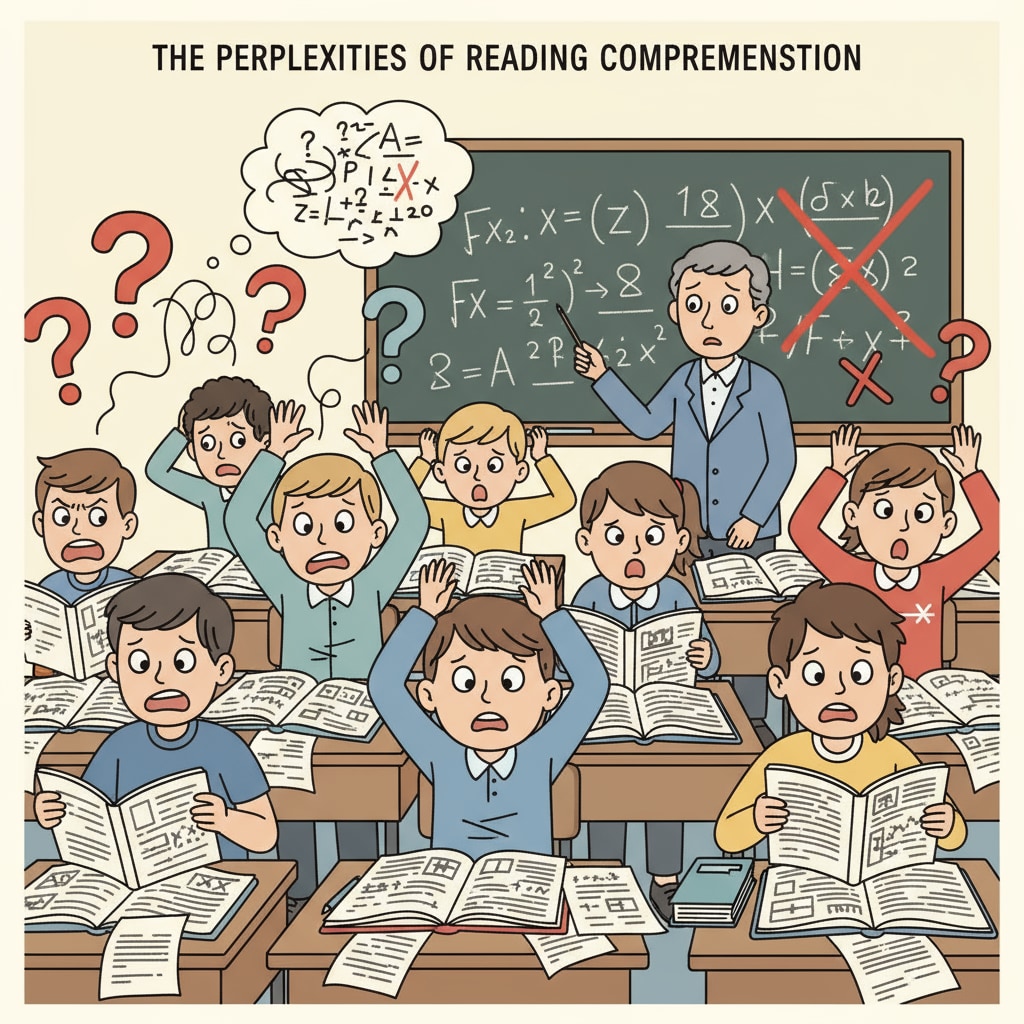
Students with low reading ability in a classroom, related to literacy rate decline and its impact on democracy

The Link Between Literacy and Democratic Participation

Literacy is fundamental to democratic participation. In a democratic society, citizens are expected to make informed decisions, whether it’s voting in elections or engaging in public policy discussions. Reading ability allows individuals to access a wide range of information, understand different viewpoints, and form their own opinions. For example, when citizens read news articles, they can be aware of current issues and hold their elected representatives accountable. As a result, a decline in literacy rates means that fewer citizens are able to fully participate in the democratic process. According to Wikipedia’s Literacy page, literacy has been closely tied to social and political development throughout history.

People relying on reading materials for democratic participation, showing the importance of reading ability in a democratic setting

The Impact on Informed Decision – Making

When literacy rates decline, the quality of informed decision – making also suffers. Reading is essential for understanding complex policy documents, campaign manifestos, and social issues. Without strong reading skills, citizens may misinterpret information or be unable to grasp the full implications of various policies. In addition, writing skills are equally important as they enable citizens to express their thoughts and concerns effectively. This inability to communicate ideas can further marginalize individuals in the democratic discourse. As stated on Britannica’s Literacy topic page, literacy is a key factor in the development of an active and informed citizenry.

The decline in literacy rates among K12 students is a wake – up call. It’s time for educators, parents, and policymakers to work together. Educators can design more engaging reading and writing curricula, parents can encourage reading at home, and policymakers can allocate more resources to improve literacy education. By taking these steps, we can safeguard the democratic values that rely on an educated and literate citizenry.

Readability guidance: This article uses short paragraphs to convey key points. The two H2 sections each present a crucial aspect of the relationship between literacy, democracy, and reading ability. The use of examples and external links helps to support the arguments. Transition words like “for example”, “in addition”, and “as a result” are used to enhance the flow of the text.


TaggedCivic EngagementDemocracyK12 educationLiteracy RateReading AbilityThinkacademy
Think Academy
More by Think Academy

Post navigation

Previous Article Previous article:
School Visits for Educational Choices: A Guide to Exploring
Next Article Next article:
Educational Knowledge, AI-Generated Content, and Fun Learnin

Recent

  • Euclidean Algorithm Explained: Definition, Steps and Applications
  • COMC 2026: Dates, Registration, Format and Preparation Guide
  • Ceva’s Theorem Explained: Definition, Proof and Applications
  • Rules of Divisibility Explained: Complete Guide with Examples
  • COMC 2025: Results, Past Papers and What They Mean for 2026 Prep

Comments

  1. natural sleep aid on Best Schools in Calgary: Top Public, Catholic and Private Options Compared
  2. MathMama88 on Math Curriculum in Canada: A Parent’s Guide by Province and Grade
  3. MathMind on Ratio and Proportion Activity Sheets: Practice Problems and Cayley Contest Guide
  4. MathPrepGuide on EQAO Grade 9 Formula Sheet: What’s On It and How to Use It
  5. SchoolBoundDad on Private or Public Schools? A Canadian Parent’s Checklist

Category

  • American Mathematics Competition (AMC)
  • Canada Schools
  • CEMC
  • Competitions
  • Curriculum by Grade
  • Education
  • Education News And Policy
  • EQAO
  • Gauss Competition
  • Math Competitions
  • Math Contest Past Papers
  • Math Skills
  • Other
  • SSAT
  • Study Tips And Tools
Copyright © 2026 Think Academy Canada Blog.
Powered by WordPress and HybridMag.
  • 示例页面
Think Academy CA
About Us
About Think AcademyFaculty
Contact Us
TALcanada@tal.com
Follow Think Academy
WeChat
Think Academy CA WeChat
Follow us on WeChat
Our Global Branches
Think Academy United StatesThink Academy United KingdomThink Academy SingaporeThink Academy Hong Kong, ChinaThink Academy AustraliaThink Academy MalaysiaThink Academy JapanThink Academy South KoreaThink Academy FranceMathink Club
Terms of UsePrivacy PolicyInvestor Relations

© 2024 Think Academy International Education Inc.