


The phenomena of school system independence, community separation, youth programs, and public engagement are intricately linked in modern small – town public schools. In recent times, a concerning rift has been growing between these schools and their surrounding communities. This separation is not only affecting the quality of education but also has far – reaching implications for the overall development of the community and its youth.
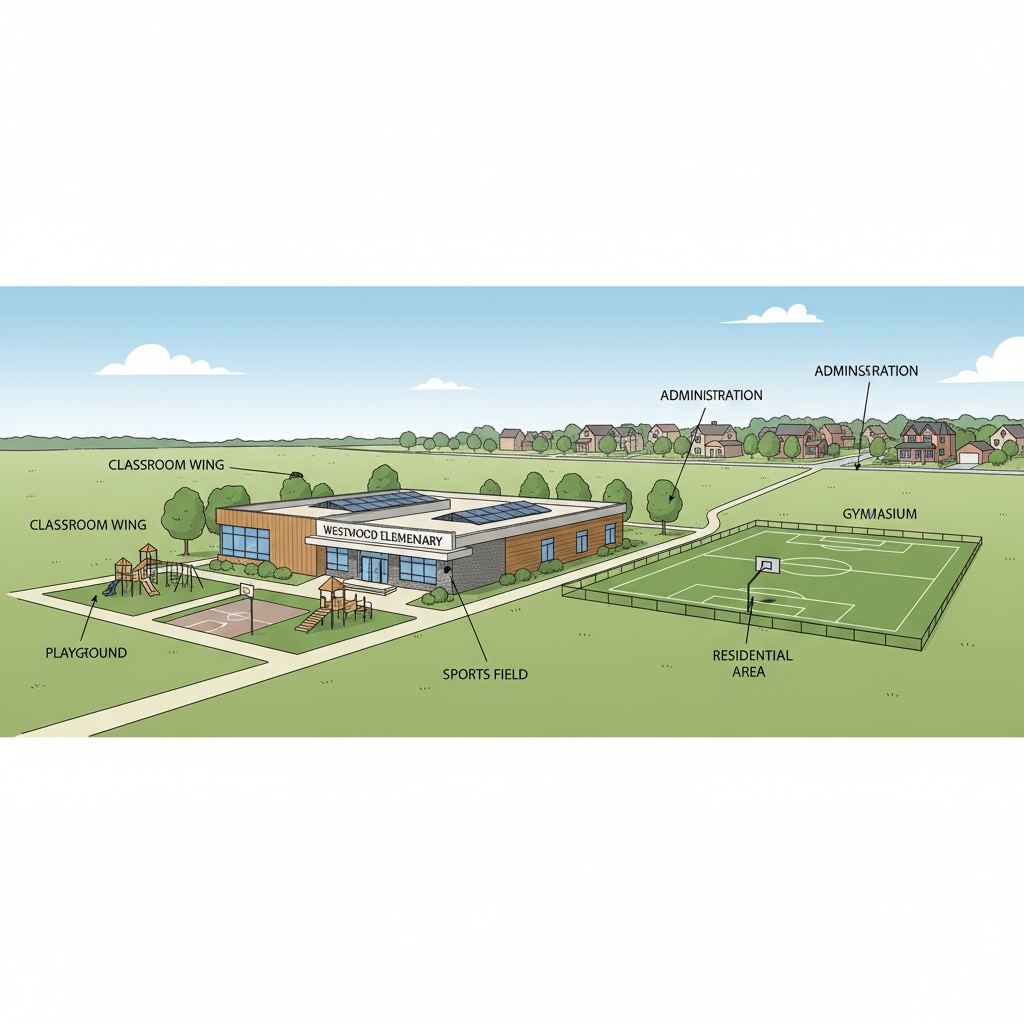
The Growing Divide: School System Independence and Community Separation
In the past, small – town public schools were the heart of the community. They were places where locals gathered, not just for education but also for various social events. However, over time, school systems have become more independent. For example, many schools now make decisions regarding curriculum, budgeting, and extracurricular activities with little input from the community. This lack of public engagement has led to a significant separation. As a result, schools are no longer seen as an integral part of the community, but rather as isolated institutions.
The Impact on Youth Programs
The separation between schools and communities has had a detrimental effect on youth programs. Community support is crucial for the success of these programs. When schools operate in isolation, there is a lack of resources and volunteers. Many after – school activities that rely on community members to coach or mentor students are struggling. Moreover, the sense of connection and belonging that youth gain from community – school partnerships is lost. This can lead to a decline in student motivation and participation in these programs.
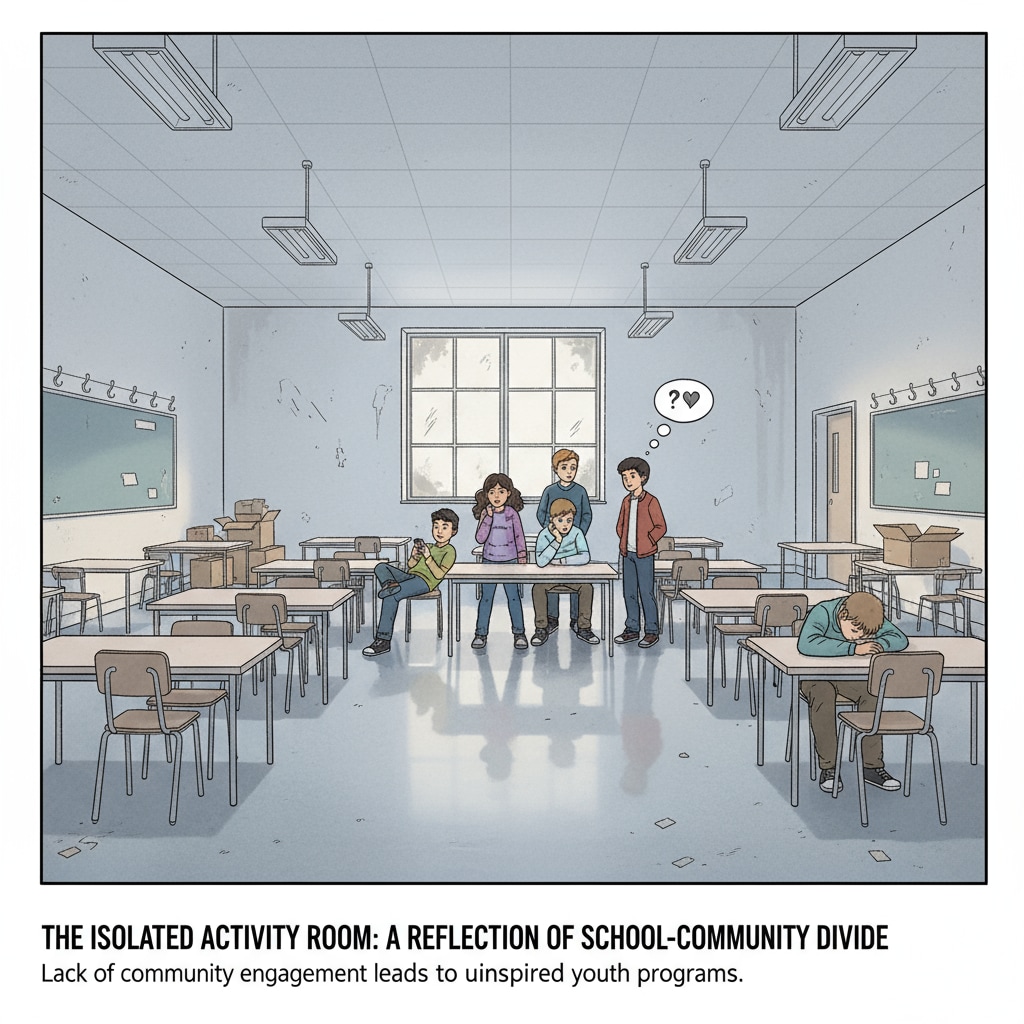
Furthermore, the lack of community involvement in school – based youth programs means that students miss out on real – world experiences. Community members can offer unique perspectives and skills that schools may not be able to provide on their own. For instance, local business owners could teach entrepreneurship, or artisans could offer workshops in their crafts. Without this interaction, the educational experiences of students are limited.
Readability guidance: The above paragraphs clearly show the negative impacts of the separation on youth programs. We have used short paragraphs to make the content more digestible and added transition words like ‘however’, ‘as a result’, and’moreover’ to improve the flow.
In conclusion, the separation between modern small – town public school systems and communities is a complex issue with significant consequences. It affects youth programs and the overall community building process. To address this, there is a need for increased public engagement to rebuild the broken bond. By working together, schools and communities can restore the schools’ historical role as the center of the community and provide a more enriching educational environment for the youth.

