


Research, evaluation, and educational social inequality are intertwined aspects within the realm of K12 education. In this article, we will explore how these elements interact and how they can be harnessed to create a more equitable educational landscape.

Research and evaluation are not isolated concepts; rather, they complement each other in the pursuit of educational improvement. For instance, research can identify areas of educational inequality, while evaluation can measure the effectiveness of interventions aimed at reducing these disparities. Education research on Wikipedia provides a comprehensive overview of different research methods used in the field.
The Link between Research and Evaluation in Education
Research and evaluation in education are closely linked. Research serves as the foundation, uncovering issues such as achievement gaps among different student groups. It uses various methods like surveys, case studies, and experimental research to gather data. Evaluation, on the other hand, builds on this research. It assesses the impact of educational policies, programs, or teaching methods. For example, if research identifies that students from low-income families are falling behind in math, evaluation can determine whether a new math curriculum designed for these students is effective. Evaluation in education on Britannica offers insights into the different types of educational evaluations.
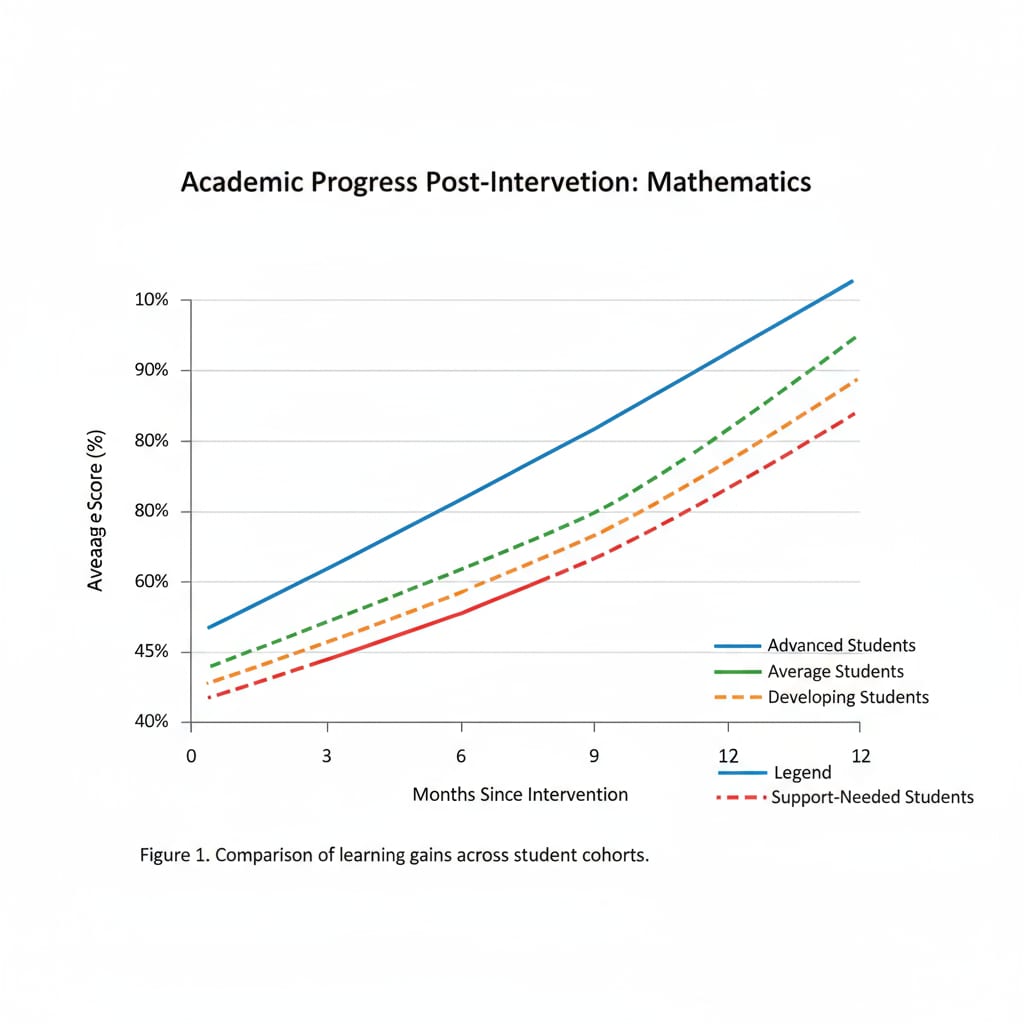
Research and Evaluation as Tools against Educational Social Inequality
Both research and evaluation are powerful tools in the fight against educational social inequality. Research can shine a light on systemic issues that contribute to inequality, such as unequal distribution of resources in schools. By identifying these problems, policymakers can develop targeted solutions. Evaluation then comes in to measure the success of these solutions. For example, research might find that schools in disadvantaged areas lack access to modern technology. An evaluation can then determine if initiatives to provide technology to these schools have improved students’ learning outcomes. In addition, evaluation can help in making adjustments to interventions to ensure they are more effective in reducing inequality.
To sum up, research and evaluation are essential components in the effort to address educational social inequality in K12 education. They work in tandem to identify problems, develop solutions, and measure the effectiveness of those solutions. By integrating research and evaluation into educational practice, we can move closer to achieving educational equity for all students. Readability guidance: We have used short paragraphs and provided lists to summarize key points. Each H2 section has a clear focus, and we have controlled the use of passive语态 and long sentences. Transition words have been added throughout the article to enhance readability.

