In the digital age, the integration of technology in education has brought about a new set of challenges for parents, especially when it comes to school account systems such as Peachjar and Securely. As schools strive to enhance communication and streamline administrative tasks, these platforms have become increasingly prevalent. However, they have also left many parents scratching their heads, wondering about their purpose, security, and how to effectively use them.
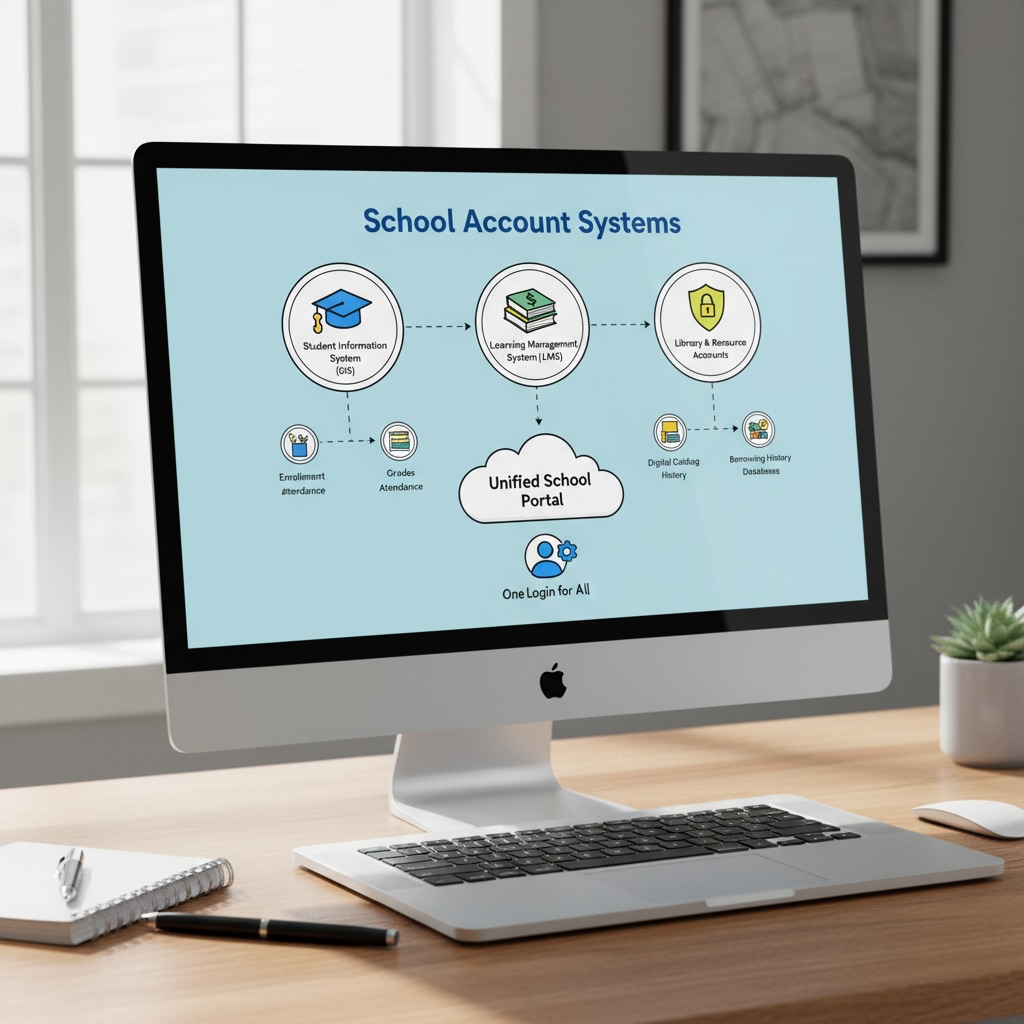
The Rise of Digital School Account Systems
The use of digital tools in education has skyrocketed in recent years. School account systems are designed to facilitate communication between schools, parents, and students. For example, they can be used to send out important announcements, share school newsletters, and even manage permission slips. Peachjar and Securely are two such platforms that have gained popularity in many public schools. According to EdSurge, the demand for these types of digital communication tools has been on the rise as schools look for more efficient ways to engage with parents.
Understanding Peachjar
Peachjar is a platform that focuses on school-to-home communication. It allows schools to distribute flyers, newsletters, and other important information to parents electronically. One of the main advantages of Peachjar is its user-friendly interface. Parents can easily access and view the information sent by the school. However, some parents have raised concerns about the privacy of their data. They worry that their personal information might be misused. As a result, it’s important for parents to carefully review the privacy policy of Peachjar to ensure their data is protected.

The Role of Securely
Securely, on the other hand, is more focused on secure communication and data management. It provides a platform for schools to share sensitive information with parents, such as student grades, attendance records, and health information. The name itself implies its main selling point – security. Securely uses advanced encryption techniques to protect the data shared on its platform. According to Securely’s official website, they are committed to safeguarding the privacy and security of the information transmitted between schools and parents. However, parents still need to be vigilant and ensure they follow proper security protocols when using the platform.
Addressing Parent Concerns
With the increasing use of these school account systems, parents have several valid concerns. Firstly, there is the issue of complexity. Many parents find it difficult to keep track of multiple accounts and different types of information. Secondly, privacy and security are major concerns. Parents want to make sure that their children’s information is safe. To address these concerns, schools should provide clear instructions and training to parents on how to use these platforms effectively. Additionally, schools should be transparent about the data collection and sharing practices of these platforms.
In conclusion, while school account systems like Peachjar and Securely offer many benefits in terms of enhancing communication and streamlining school operations, they also come with their fair share of challenges. Parents need to be informed and proactive in understanding these platforms to make the most of them. By working together, schools and parents can ensure that these digital tools are used effectively to support the education and well-being of students.
Readability guidance: This article uses short paragraphs and lists to summarize key points. Each H2 section provides relevant information in an organized manner. The passive语态 is used sparingly, and transition words like “however”, “for example”, and “as a result” are used to enhance the flow of the article.