


In higher education, the issue of increased responsibilities, salary adjustments, and job reclassifications has become a significant concern for educators. Many find themselves taking on extra duties without any corresponding increase in pay or appropriate job reclassification. This situation not only affects the individual educators but also has implications for the overall quality of education.
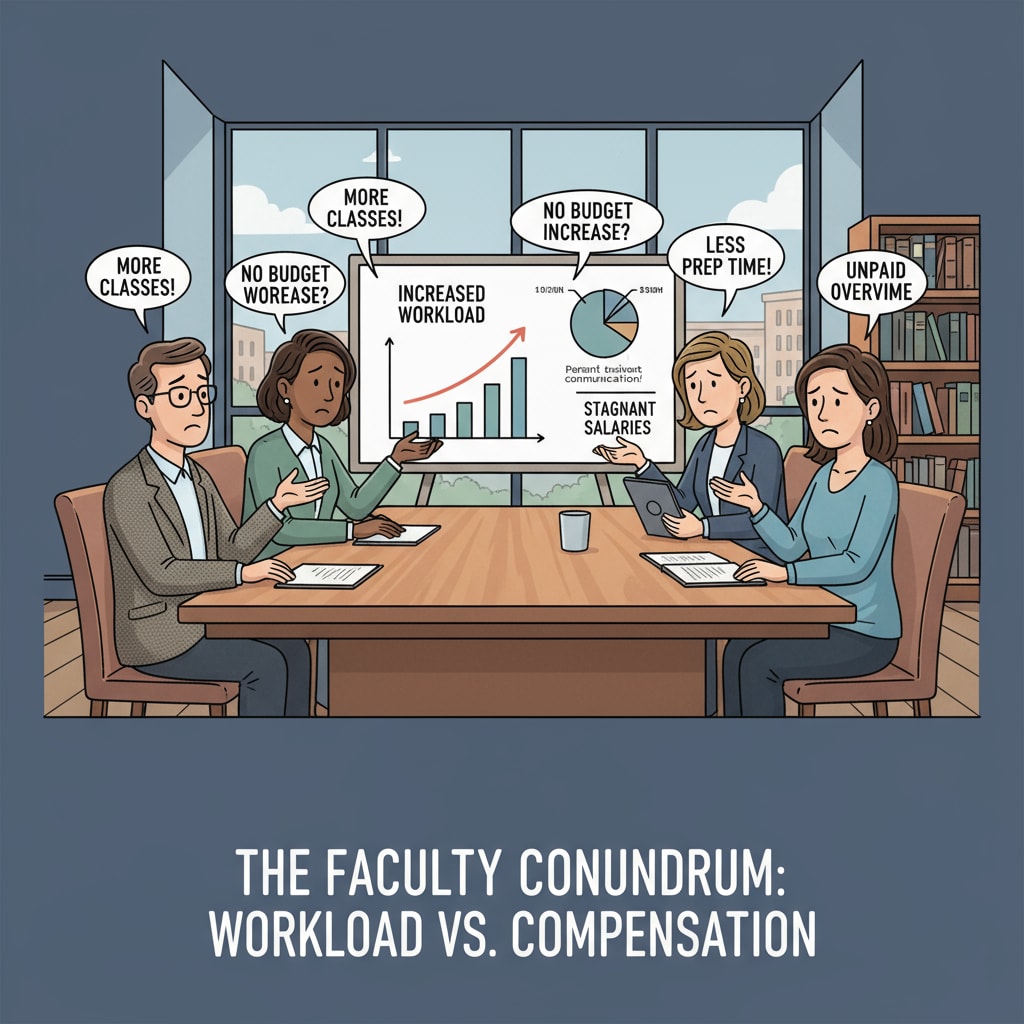
The Burden of Uncompensated Responsibilities
Educators in higher education institutions are frequently asked to take on additional tasks. These can range from extra administrative duties, such as curriculum planning and student mentorship, to increased teaching loads. However, these added responsibilities often come without a salary adjustment. For example, a professor might be required to develop new courses, which involves extensive research and preparation, but their salary remains the same. This can lead to feelings of being undervalued and overworked. As a result, educators may become less motivated, which in turn can impact the quality of education they provide. Professors’ Overwork on Chronicle

The Root Causes
There are several reasons behind this phenomenon. One major factor is budget constraints in higher education institutions. With limited funds, administrators may be reluctant to increase salaries or reclassify positions. Additionally, the lack of a clear system for evaluating and rewarding additional responsibilities contributes to this problem. In some cases, institutions may not have a proper mechanism to recognize the extra work done by educators. Moreover, the highly competitive nature of the academic job market can also play a role. Educators may be hesitant to push for salary adjustments or job reclassifications for fear of losing their positions. Budget Constraints in Higher Ed on Inside Higher Ed
The consequences of this situation are far-reaching. Educators who feel underpaid and unappreciated may be more likely to leave the institution, leading to a high turnover rate. This can disrupt the educational environment and make it difficult for institutions to maintain a stable faculty. Furthermore, the quality of education may suffer as overworked educators may not have the time and energy to provide the best possible instruction to students.
Readability guidance: As seen above, we break down complex ideas into short paragraphs. Each H2 section has a clear focus, and we use examples and transition words like ‘however’, ‘for example’, and ‘as a result’ to make the text flow smoothly. We also keep passive voice usage to a minimum and aim for an average sentence length within the recommended range.

