When your child seems bored in class or intensely curious about one subject, it is natural to look beyond your neighbourhood school. You may also be hearing the phrase magnet school programs Canada and wondering whether they offer better teaching, safer environments, or stronger academics. In Canada, “magnet” is not a single, nationwide model, so the best first step is learning how specialized public programs are actually defined and delivered in your province or school board.
Intro Specialized programs can mean different things in different places
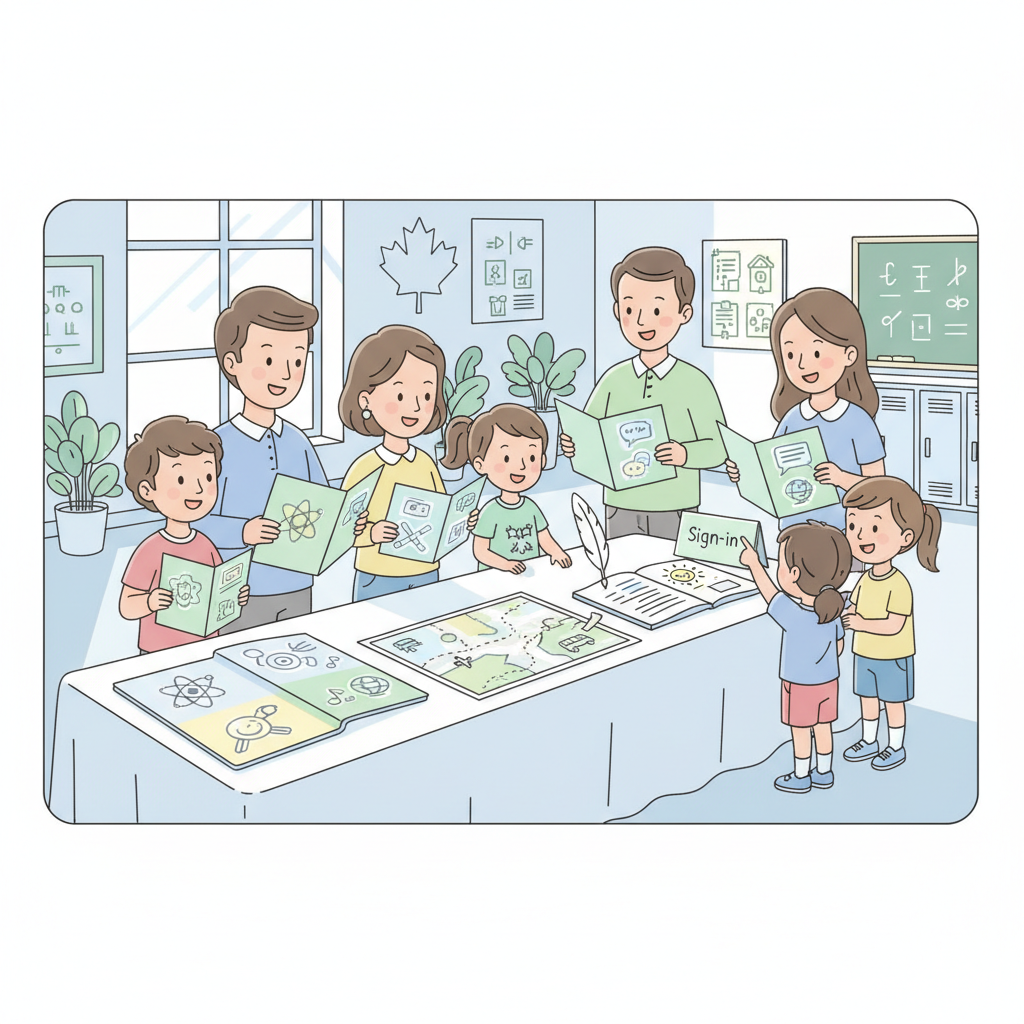
In the U.S., “magnet school” often refers to a public school built around a theme, designed to attract students from across a district. In Canada, education is governed provincially, so boards may use different names, such as specialty programs, alternative programs, or academies. Therefore, a “magnet-like” program in one city may be a lottery-based option, while in another it may require an audition, portfolio, or academic screening.
To keep expectations realistic, start from the official system your child is in. Provincial ministries set the overall rules, and local boards decide what specialized programs exist and how students are admitted. For example, you can review the role of ministries through the pan-Canadian overview at the Council of Ministers of Education, Canada (CMEC).
Magnet school programs in Canada
In practical Canadian terms, families often use “magnet” to describe public schools or programs that offer a focused theme, enriched learning, or a distinct approach. However, a specialized theme does not automatically mean higher overall quality. It usually means different priorities, different course offerings, and sometimes different entry rules.
Here are common program types that can resemble magnet models, depending on the board:
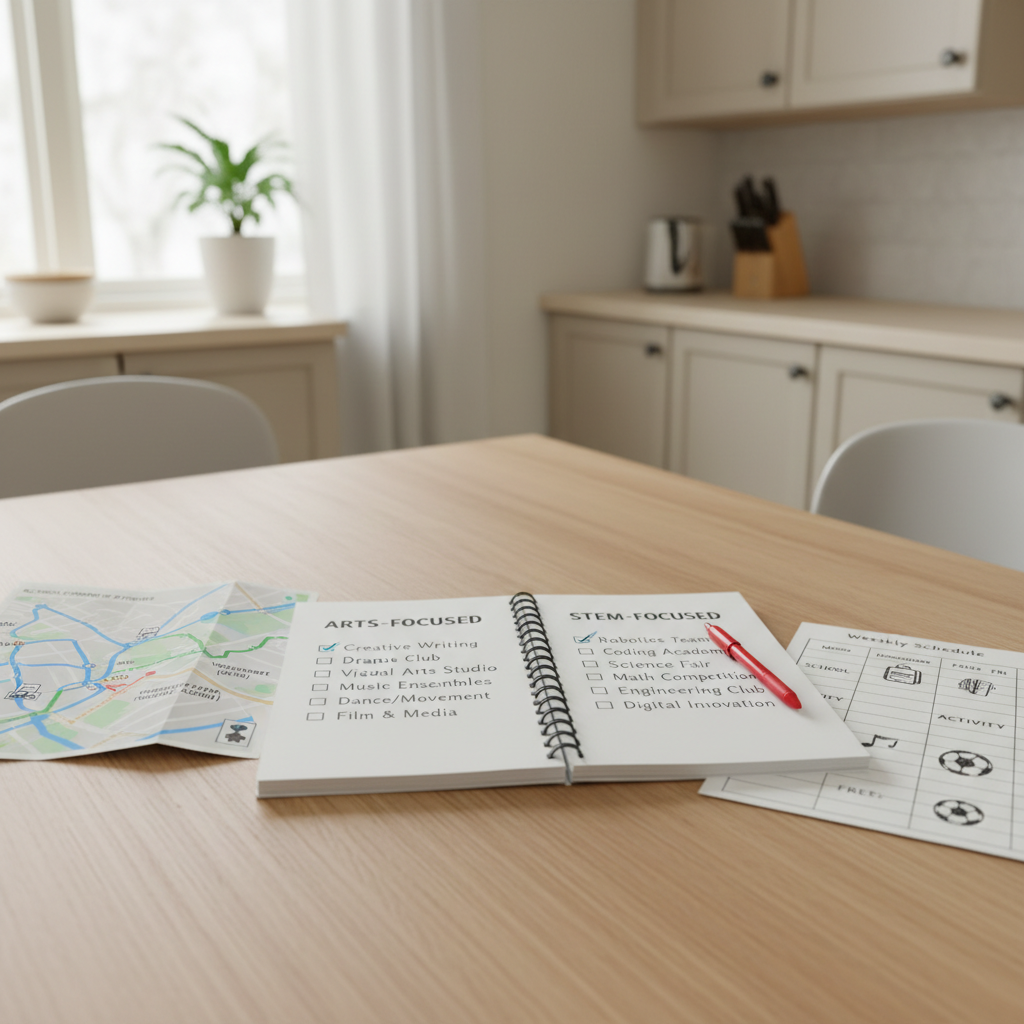
- Arts-focused programs (for example, dance, music, visual arts), sometimes with auditions.
- STEM-focused programs (science, technology, engineering, math), sometimes with project-based learning (learning through long-term projects).
- Language programs, such as French Immersion or other bilingual options, which are widely offered but still board-specific in access and placement.
- Alternative programs (a formal board category in some places) that may emphasize outdoor learning, student-led learning, or specific pedagogies (teaching approaches).
If you want a simple definition for family discussions, the general concept of a magnet school is explained at Britannica’s magnet school overview, while broader context on public schooling structure is summarized at Wikipedia’s Education in Canada page.
How admissions typically work for specialized public programs
Admissions rules vary, but most boards use one or more of these methods. Because policies change, always confirm through your local school board’s official site before you plan around a deadline.
| Admission method | What it looks like | What parents can do early |
|---|---|---|
| Lottery | Random selection when applicants exceed seats | Submit complete forms on time; choose realistic backup options |
| Eligibility rules | May require living in a zone, meeting age/grade rules, or having priority categories | Verify address requirements and documentation before applying |
| Assessment or screening | May include academic measures or interviews (board-designed) | Ask what is assessed and how results are used |
| Audition or portfolio | Common for arts-focused options | Request rubrics (scoring guides) and practice the format, not just the content |
Because kindergarten to Grade 6 families often need predictable childcare and transportation, also ask how waitlists move. Some programs refill seats right before September, while others stabilize in spring. Therefore, your backup plan matters as much as your first choice.
What to ask at an open house (and why it matters)
Specialized programs can be excellent when they truly fit your child. However, a mismatch can create daily stress, longer commutes, and frustration with expectations. Go in with clear questions that reveal what day-to-day life is like.
- How much instructional time is actually devoted to the theme each week?
- How are core skills taught and assessed (assessment means how learning is measured)?
- What homework expectations are typical for Grades 1–6?
- What happens if my child struggles with the theme area mid-year?
- What are transportation options and the realistic commute time in winter?
- How does the school communicate progress to parents (portals, emails, conferences)?
Also ask for concrete examples, such as a sample timetable, a description of a recent student project, or the school’s extracurricular list. For younger children, those details often show more than a glossy brochure.
How to compare specialized public programs fairly
When parents tour a themed program, it is easy to focus on the unique features and forget the basics. A fair comparison keeps the core learning experience front and centre, especially for ages 4–12, when foundational skills build quickly year to year.
Use these categories to compare two schools side by side:
- Curriculum alignment: Does it follow the provincial curriculum closely, and how is progress shared?
- Instruction quality signals: Clear routines, structured lessons, and age-appropriate expectations.
- Classroom mix: How are students grouped and supported during core periods?
- School climate: Behaviour expectations, supervision, and how conflicts are handled.
- Logistics: Before/after school care, commute, and daily schedule stability.
To ground your comparison in official curriculum expectations, consult your province’s curriculum hub. For example, Ontario families can start at the Ontario elementary and secondary curriculum page. British Columbia families can reference the BC Curriculum site, which outlines learning standards by grade.
Common misconceptions to watch for
Parents often hear strong claims in playground conversations, but specialized programs are not magic solutions. Clearing up a few misconceptions can save you time and stress.
- Myth: A themed program automatically means higher academic standards. Reality: Standards come from provincial curricula; program focus changes emphasis and enrichment.
- Myth: Admission proves a child is “ahead.” Reality: Some programs select by interest or lottery, not academic level.
- Myth: A long commute is worth it if the program is “better.” Reality: For children 4–12, daily fatigue can erase benefits.
If you want an evidence-based way to think about fit, focus on your child’s needs: structure, pace, social comfort, and motivation. Therefore, observe your child after visits and trial days, not just during the tour.
Tools & Resources for parents (official, reliable, and practical)
Use these tools to stay organized and verify information directly:
- Quebec Ministry of Education (for provincial guidance if you live in Quebec).
- Government of Alberta: Education (for provincial policies and schooling information).
- Ontario: Education and training (for provincial overviews and links to school information).
- IRCC Help Centre: studying in Canada (helpful if your family is navigating newcomer documentation; rules vary by status).
- Google Maps (to test realistic commute times at morning drop-off hours).
For Canada-wide context on how K–12 education is organized, CMEC’s hub remains a stable reference: CMEC.
Concluding Paragraph
Choosing a specialized program works best when you treat it like a “fit” decision, not a prestige decision. Start by confirming what your local board actually offers, then compare daily realities like commute, homework, and classroom routines. If you keep expectations grounded, magnet school programs Canada can be a helpful pathway for children who thrive with a clear theme and a community that shares their interests.
About Think Academy
Think Academy Canada is a K-12 mathematics tutoring programme, part of TAL Education Group. We work with motivated students across Canada from Grade 1 through Grade 12, with a focus on Ontario curriculum, EQAO preparation, and competition mathematics including CEMC contests (Pascal, Cayley, Fermat, Euclid) and AMC. All lessons are delivered online. Follow us on Instagram at @thinkacademyca.